
GLP-1 Medications and Body Composition: What We’re Seeing with Patients
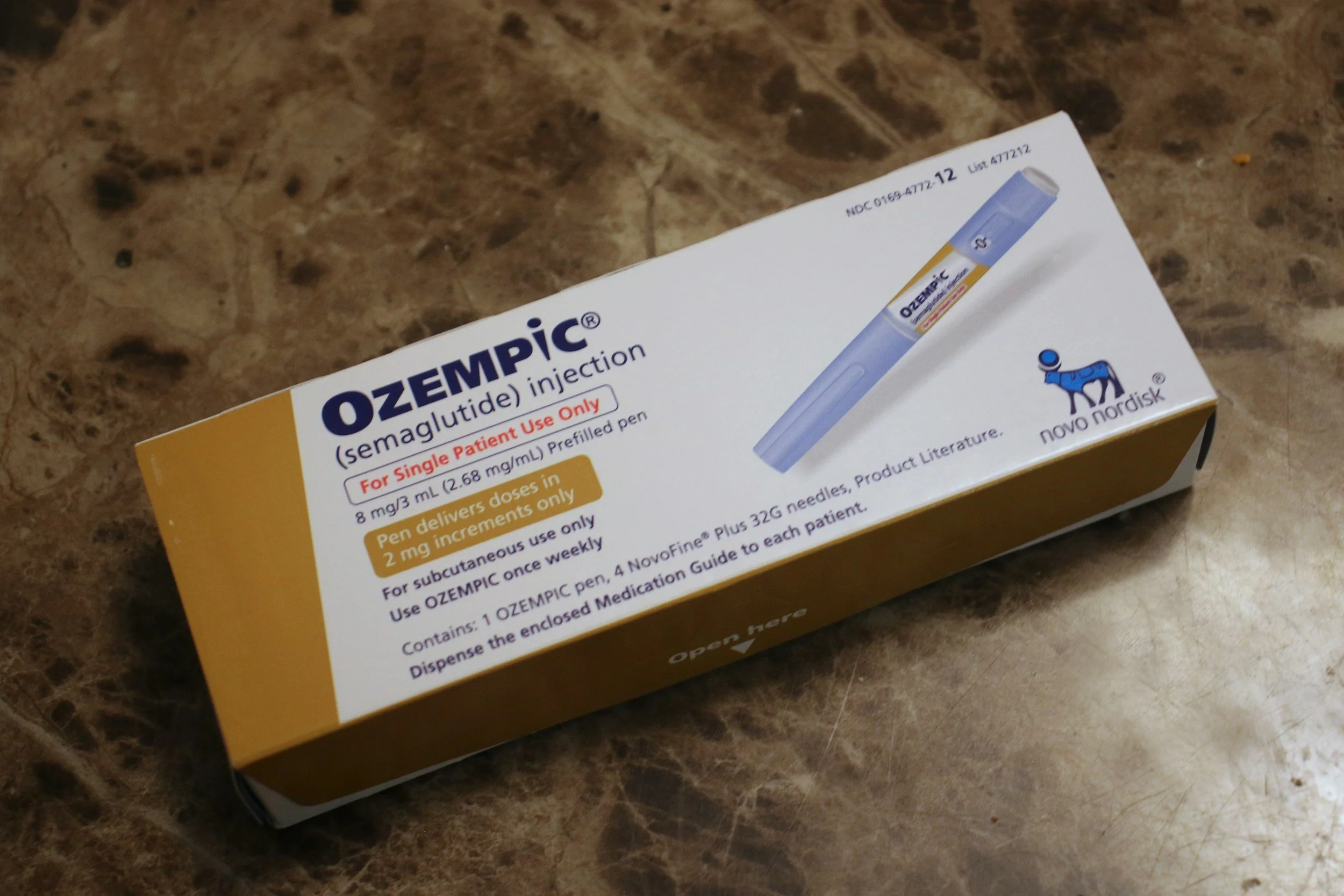
GLP-1 medications such as Mounjaro and Ozempic have transformed obesity management. For many people, they have been life-changing, helping achieve weight loss that previously felt impossible.
However, as more patients come through our doors, we're seeing a clear trend: weight loss is only part of the story.
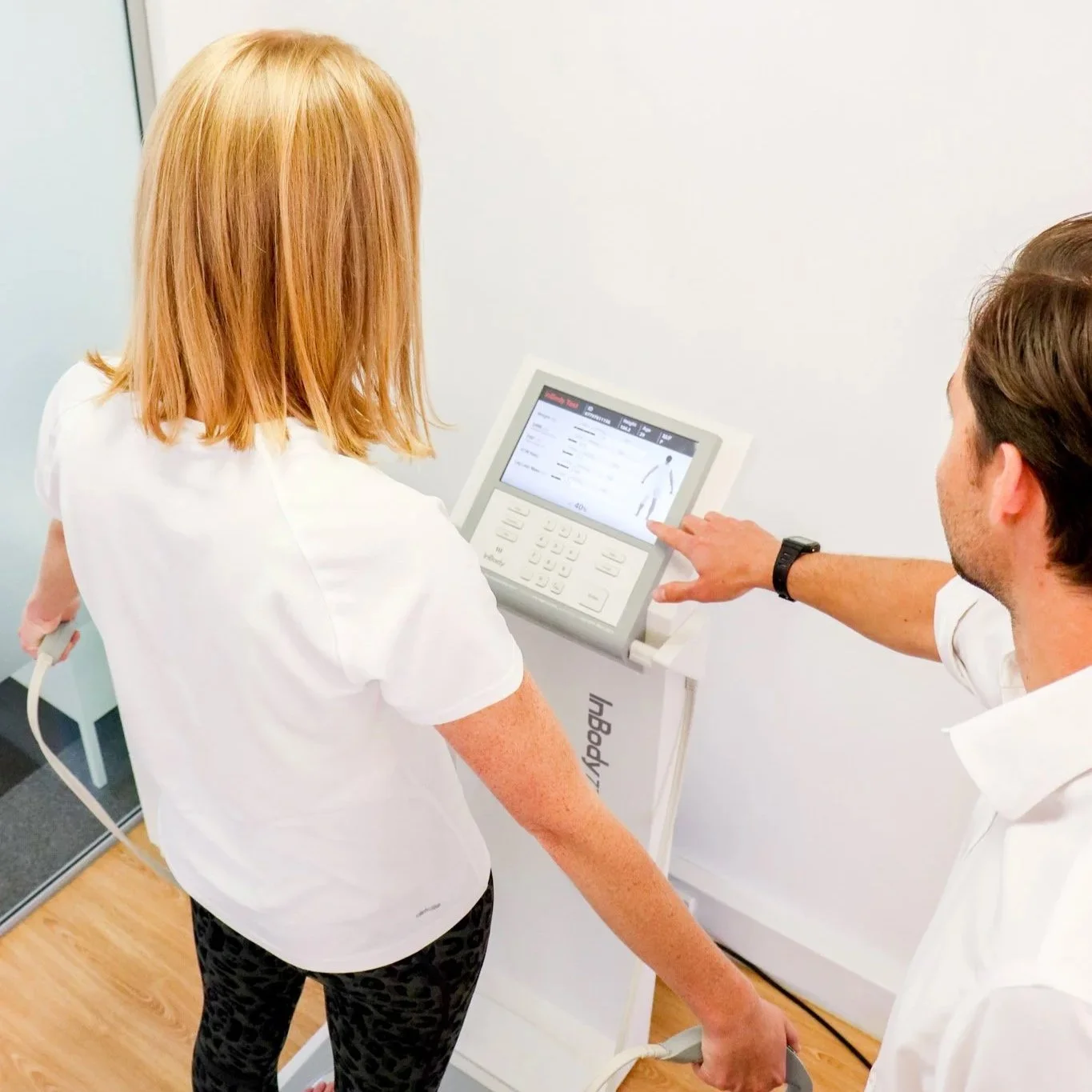
At True Food, we're increasingly using our InBody 770 body composition analyser to look beyond body weight and understand exactly what is being lost during the journey.
Weight Loss vs Fat Loss
Most patients understandably focus on the number on the scales. But from a nutrition perspective, we're more interested in what makes up that weight loss.
A 2026 systematic review of 20 clinical trials found that approximately 25–39% of total weight loss with GLP-1–based therapies comes from lean mass rather than fat tissue. Tirzepatide (Mounjaro) typically sits at the lower end of this range (~25%), while semaglutide (Wegovy/Ozempic) is closer to ~35%. Although tirzepatide tends to produce greater overall weight loss than semaglutide, both medications follow a similar pattern of substantial fat loss alongside clinically relevant reductions in lean mass, highlighting the importance of nutrition and resistance training during treatment.
Why Muscle Matters
Muscle is much more than something that helps us look toned.
Maintaining muscle mass supports:
Strength and physical function
Healthy metabolism
Blood glucose regulation
Bone health
Healthy ageing
Long-term weight maintenance
When calorie intake falls dramatically and protein intake is poor, muscle loss becomes more likely. This is particularly important for older adults, who are already at greater risk of age-related muscle loss.
Bone Health Is Also Being Discussed
Another area attracting increasing attention is bone health.
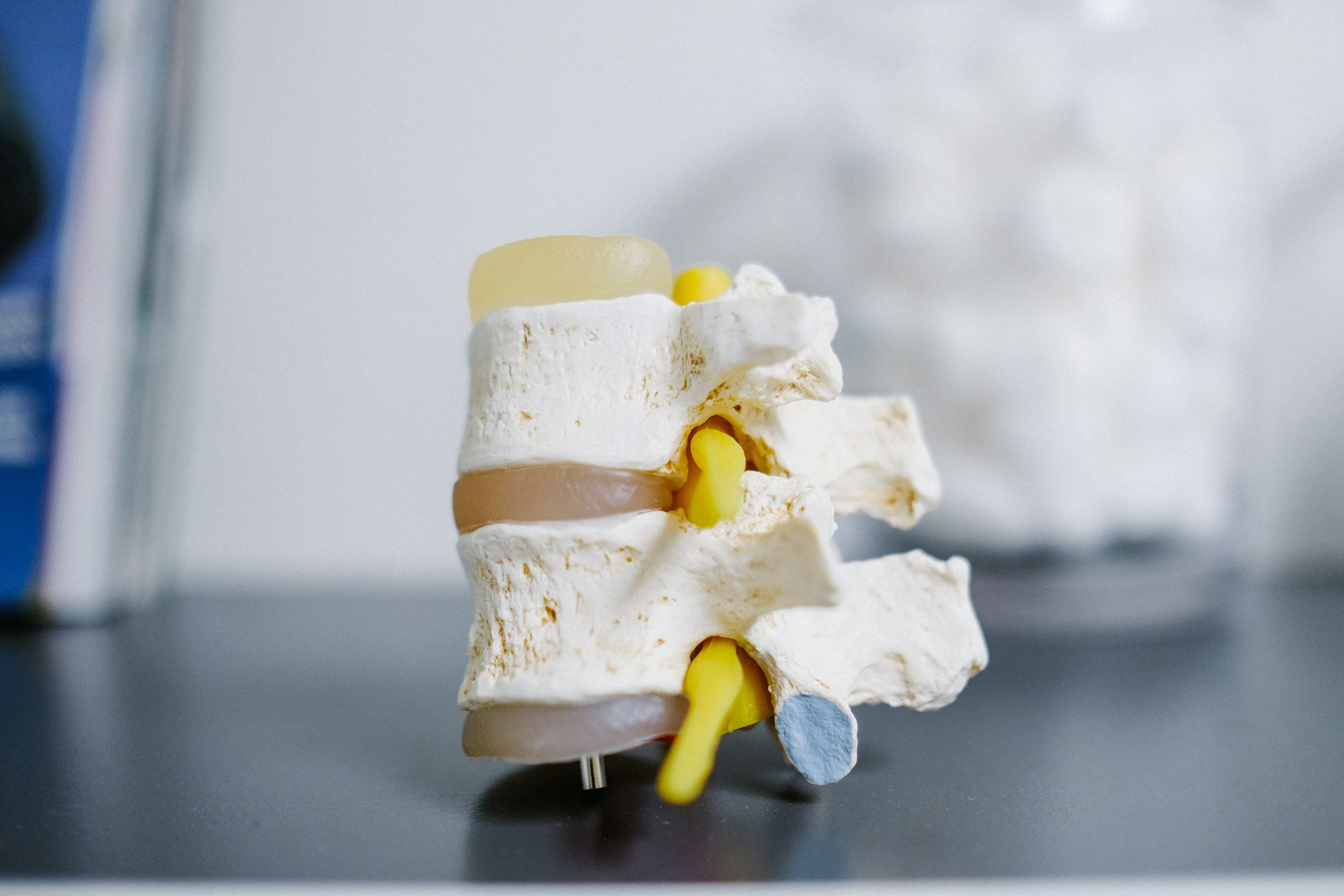
As body weight falls, the mechanical loading placed on bones also reduces. Emerging reviews have highlighted concerns that rapid weight loss and reductions in lean mass may negatively affect bone mineral density in some individuals, particularly if nutrition, resistance training and protein intake are not adequately addressed.
While the research is still developing, it reinforces the importance of monitoring body composition rather than focusing solely on weight.
As body weight falls, the mechanical loading placed on bones also reduces
What We're Seeing in Practice
The InBody 770 allows us to track:
Fat mass
Skeletal muscle mass
Body fat percentage
Segmental muscle distribution
Visceral fat
Hydration status
This gives us real-world data rather than assumptions.
Some patients are progressing exactly as we'd hope, losing predominantly body fat while maintaining muscle mass.
Others require more careful nutritional support because muscle losses are occurring faster than we'd like. In these situations, nutrition strategies can be adjusted to prioritise:
Adequate protein intake
Resistance training
Appropriate energy intake
Recovery and sleep
Hydration
We've also worked with patients who are:
Reducing their medication dose
Transitioning off GLP-1 medications completely
Looking to maintain weight loss without ongoing medication support
For these individuals, lifestyle habits become even more important.
The Drug Is a Tool, Not the Whole Solution
GLP-1 medications can be incredibly effective, but they work best when combined with lifestyle support.
Without attention to nutrition, exercise and body composition, there is a risk that valuable muscle tissue is lost alongside body fat. Equally, when patients eventually reduce or stop medication, those who have developed sustainable habits are often in a much stronger position to maintain their results.
The most successful outcomes we see are not simply about losing weight. They are about improving body composition, preserving muscle, supporting long-term health and creating habits that last beyond the medication itself.
At True Food, our goal is to help patients achieve exactly that—using evidence-based nutrition support and objective body composition analysis through the InBody 770 to ensure weight loss is as healthy and sustainable as possible.
Interested in seeing what's really changing beyond the scales?
Our InBody 770 assessments provide detailed body composition data and can be used alongside one-to-one nutrition consultations to help ensure fat loss is achieved while protecting muscle mass and supporting long-term health.
References
Eisa, N., et al. (2026) ‘Lean mass changes with incretin therapy versus lifestyle intervention: A systematic review and meta-analysis of randomised controlled trials’, Diabetes, Obesity and Metabolism. doi: 10.1111/dom.70666.
Giorelli, G., et al. (2025) ‘Body composition changes with semaglutide: A systematic review and meta-analysis’, medRxiv. doi: 10.1101/2025.09.29.25336760.
Hidalgo Ramos, R.A., et al. (2025) ‘Effects of tirzepatide on skeletal muscle mass in adults: A systematic review’, Cureus. PMID: 40895971.
Karakasis, P., et al. (2025) ‘Effect of glucagon-like peptide-1 receptor agonists and co-agonists on body composition: Systematic review and network meta-analysis’, Metabolism. PMID: 39719170.
Villareal, D.T., et al. (2005) ‘Obesity in older adults: technical review’, Obesity Research, 13(11), pp. 1849–1863.
Cava, E., Yeat, N.C. and Mittendorfer, B. (2017) ‘Preserving healthy muscle during weight loss’, Advances in Nutrition, 8(3), pp. 511–519.
World Health Organization (2024) Obesity and overweight fact sheet. Available at: https://www.who.int/news-room/fact-sheets/detail/obesity-and-overweight (Accessed: 10 June 2026).